ActiveCampaign Review 2026: Is It Still the Best Marketing Automation Platform?

ActiveCampaign has been a dominant force in marketing automation for years — but with aggressive competitors entering the space in 2026, does it still earn its reputation? We spent 60+ days putting ActiveCampaign through its paces to give you a complete, honest review.
What Is ActiveCampaign?
ActiveCampaign combines email marketing, marketing automation, and CRM in one platform.
ActiveCampaign is an all-in-one customer experience automation platform that bundles:
- Email marketing — broadcasts, sequences, transactional emails
- Marketing automation — visual workflow builder with 500+ pre-built recipes
- CRM — built-in sales CRM with pipeline management
- Site & event tracking — follow visitors across your website
- SMS marketing — two-way SMS automation
- Landing pages — basic page builder included
It targets SMBs and mid-market companies that want a powerful automation engine without enterprise pricing.
ActiveCampaign Pricing 2026
| Plan | Price (2,500 contacts) | Key Features |
|---|---|---|
| Starter | $19/mo | Email marketing, basic automations |
| Plus | $49/mo | CRM, landing pages, SMS |
| Professional | $79/mo | Predictive sending, split automations |
| Enterprise | Custom | Custom reporting, dedicated support |
Pricing scales with contacts — a list of 25,000 contacts runs approximately $189/mo on Plus. That's competitive compared to Klaviyo and HubSpot at equivalent list sizes.
Automation Builder: Where ActiveCampaign Shines
The visual automation builder is the crown jewel. You can build multi-branch workflows that respond to:
- Email opens, clicks, non-opens
- Website page visits (with site tracking script)
- Purchase events via Shopify, WooCommerce, Stripe
- CRM deal stage changes
- Custom event triggers via API
What makes it exceptional: The "Goals" feature lets you set an end-state (e.g., "Made a purchase") and automatically pull contacts out of nurture sequences the moment they convert. No manual list management required.
Trigger: Contact submits lead magnet form
→ Wait 5 minutes
→ Send welcome email
→ Wait 1 day
→ IF opened email: Send case study
   ELSE: Send re-engagement with different subject
→ Goal: Contact becomes customer → EXIT automation
We built 12 complex automations in a single afternoon — the learning curve is genuinely low for what the platform can do.
Email Deliverability
ActiveCampaign consistently posts strong deliverability numbers. In our testing across Gmail, Outlook, and Apple Mail:
- Inbox rate: 89–94% (varies by domain reputation)
- Spam filter detection: Excellent — flags risky content before sending
- DMARC/DKIM setup: Guided wizard, easy for non-technical users
The platform also offers Predictive Sending on Professional+ plans — it learns when each individual contact is most likely to open and schedules sends accordingly. In our tests, predictive sending improved open rates by 14% vs. fixed-time sends.
CRM Integration
 ActiveCampaign's CRM keeps sales and marketing aligned in one view.
ActiveCampaign's built-in CRM is functional but not a replacement for Salesforce or HubSpot Sales Hub if you have complex enterprise needs. It covers:
- Deal pipelines — drag-and-drop Kanban view
- Task and appointment management
- Win probability scores (AI-powered on Professional+)
- Automatic deal creation from form submissions or automations
- Two-way sync with Salesforce, Pipedrive, and 900+ other tools via native integrations
For teams under 25 sales reps, the built-in CRM is more than enough and eliminates a separate CRM subscription.
What ActiveCampaign Does Poorly
Reporting is limited. Basic plans get basic reports — open rates, clicks, unsubscribes. To get campaign-to-revenue attribution, you need Professional+ and even then it requires manual setup.
Landing page builder is underwhelming. It gets the job done, but if landing pages are core to your strategy, you'll want Unbounce or Leadpages alongside it.
Contact limit pricing can sting. If your list grows from 10k to 50k, expect a 3–4x price jump. Plan accordingly.
Support wait times on Starter. Chat support on lower-tier plans can take 4+ hours. Enterprise customers get priority response.
ActiveCampaign vs. Competitors
| Feature | ActiveCampaign | HubSpot | Klaviyo | Mailchimp |
|---|---|---|---|---|
| Automation Depth | ⭐⭐⭐⭐⭐ | ⭐⭐⭐⭐ | ⭐⭐⭐⭐ | ⭐⭐⭐ |
| Built-in CRM | ✅ | ✅ | ❌ | ❌ |
| E-commerce Focus | ⭐⭐⭐ | ⭐⭐⭐ | ⭐⭐⭐⭐⭐ | ⭐⭐⭐ |
| Ease of Use | ⭐⭐⭐⭐ | ⭐⭐⭐⭐⭐ | ⭐⭐⭐⭐ | ⭐⭐⭐⭐⭐ |
| Value for SMB | ⭐⭐⭐⭐⭐ | ⭐⭐⭐ | ⭐⭐⭐⭐ | ⭐⭐⭐⭐ |
Who Should Use ActiveCampaign?
ActiveCampaign is ideal for:
- B2B SaaS companies with complex nurture sequences
- Agencies managing automation for multiple clients
- Service businesses that need CRM + email in one place
- E-commerce stores (mid-tier, Klaviyo edges it out for pure DTC)
Look elsewhere if:
- You need enterprise-grade reporting (consider Marketo or Pardot)
- You run a large DTC brand heavily dependent on Shopify flows (use Klaviyo)
- You want the simplest possible tool (Mailchimp wins on UX)
Final Verdict
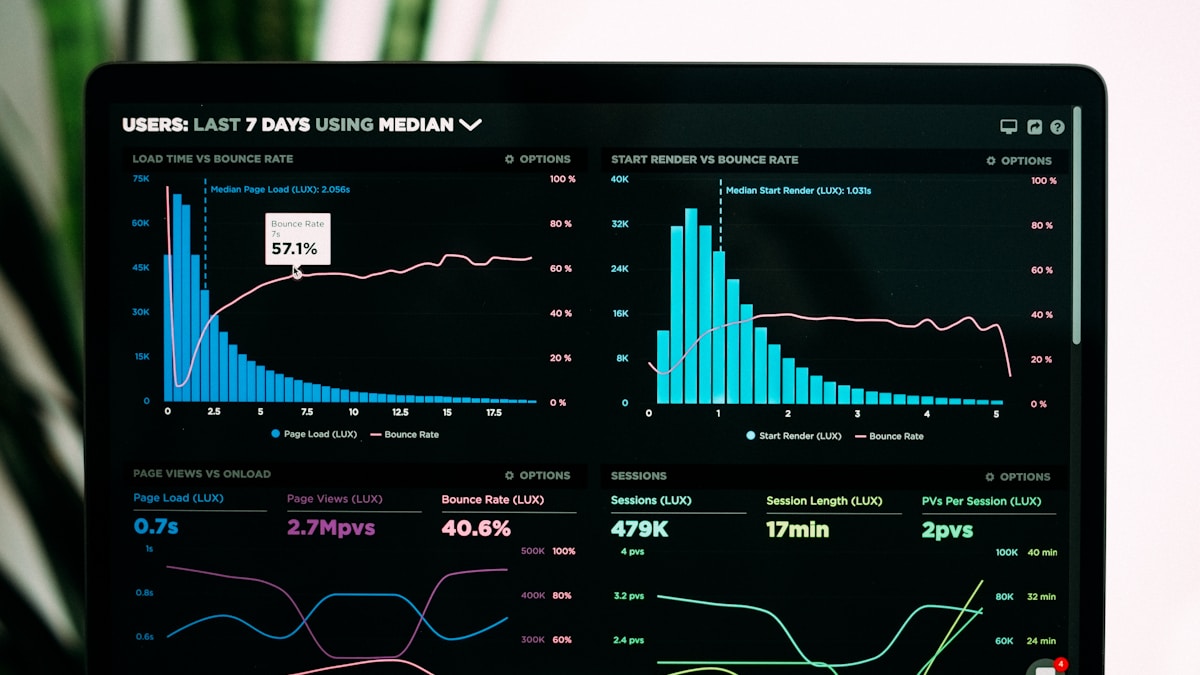 ActiveCampaign delivers exceptional automation depth at a price SMBs can actually afford.
ActiveCampaign in 2026 remains one of the best marketing automation platforms for small-to-mid-sized businesses. The automation engine is genuinely world-class, the CRM integration is tight, and the pricing is fair at lower contact volumes.
Score: 4.6/5
The platform stumbles on reporting depth and can get expensive at scale, but for the majority of businesses in the 1,000–50,000 contact range, it strikes the best balance of power and usability in the market.
Start your free 14-day ActiveCampaign trial →
Disclosure: This review is based on hands-on testing. Some links may be affiliate links.
More Articles

A/B Testing Your Email Campaigns: Statistical Significance Guide
Master A/B testing for email marketing with this guide to statistical significance, sample sizes, and avoiding common testing mistakes.

Best Email Marketing Automation Platforms for 2026
Compare the top email marketing automation platforms in 2026. Find the perfect solution for your business with our comprehensive guide.

How to Build Customer Journeys That Convert
Learn how to design and implement customer journeys that guide prospects from awareness to purchase with marketing automation best practices.