AI Marketing Automation: The Complete Guide for SaaS Startups in 2026

AI marketing automation for SaaS startups
The marketing landscape has fundamentally shifted. AI marketing automation isn't a future trend — it's the baseline for competitive SaaS companies in 2026. Startups that aren't leveraging AI for their marketing are already falling behind.
This guide covers everything you need to know about using AI SEO tools, automated content marketing, and intelligent ad optimization to grow your SaaS business faster with fewer resources.
Why AI Marketing Automation Matters for SaaS
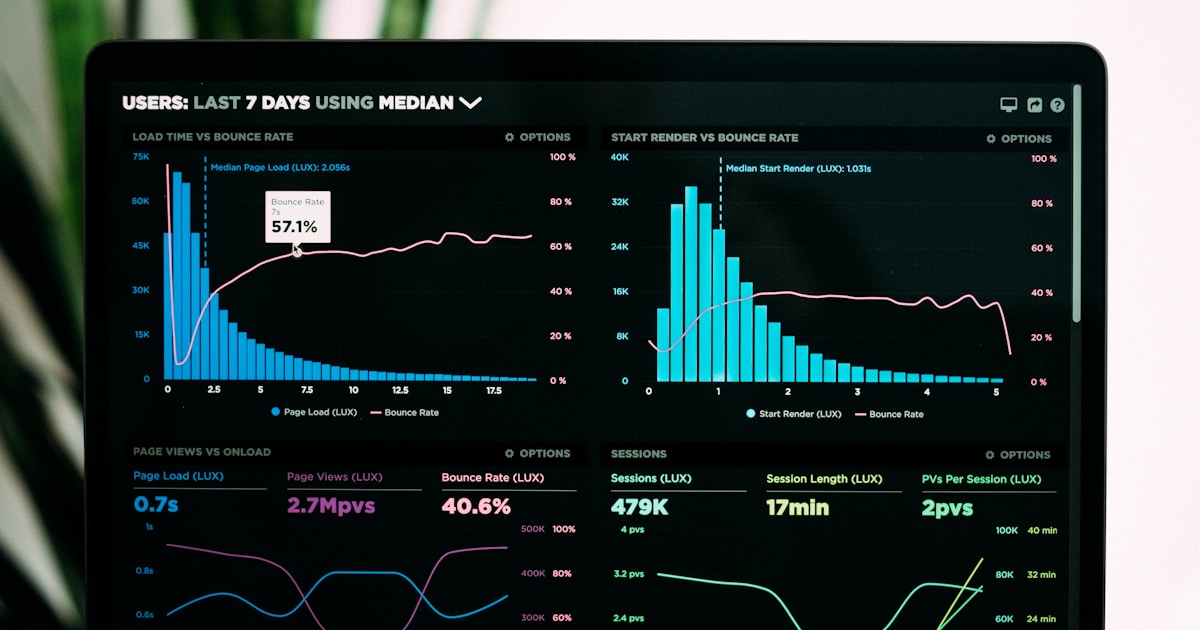 SaaS marketing analytics dashboard
The math is simple: a typical SaaS startup needs to produce 20-50 pieces of content per month, manage multiple ad channels, optimize for hundreds of keywords, and do it all with a team of 1-3 people.
Without AI, this is impossible. With it, a single marketer can output what previously required a team of ten.
The Numbers
- Content production: AI can generate SEO-optimized drafts 10x faster than manual writing
- Ad optimization: AI-driven campaigns see 20-40% better ROAS on average
- SEO efficiency: AI keyword research and optimization reduces time-to-rank by 30-50%
- Cost savings: Replace
$200K+ in marketing salaries with$500-2,000/month in tools
The Three Pillars of AI Marketing
1. AI-Powered Content Marketing
 Jasper AI content marketing platform
Automated content marketing has moved far beyond simple text generation. Modern AI content engines can:
- Research topics and keywords with competitive analysis
- Generate long-form, SEO-optimized articles with proper structure
- Create supporting content: social posts, email sequences, ad copy
- Optimize existing content for better search performance
- Personalize content for different audience segments
The key insight: AI doesn't replace your content strategy — it executes it at 10x speed. You still need human judgment for positioning, brand voice, and editorial direction. But the heavy lifting of research, drafting, and optimization? AI handles that.
Best practices for AI content:
- Always review and edit AI-generated content for accuracy
- Add original insights, data, and examples that AI can't generate
- Use AI for first drafts and optimization, not final publication
- Build a brand voice guide that AI tools can follow
- Mix AI-generated content with original thought leadership
2. AI SEO Tools and Strategy
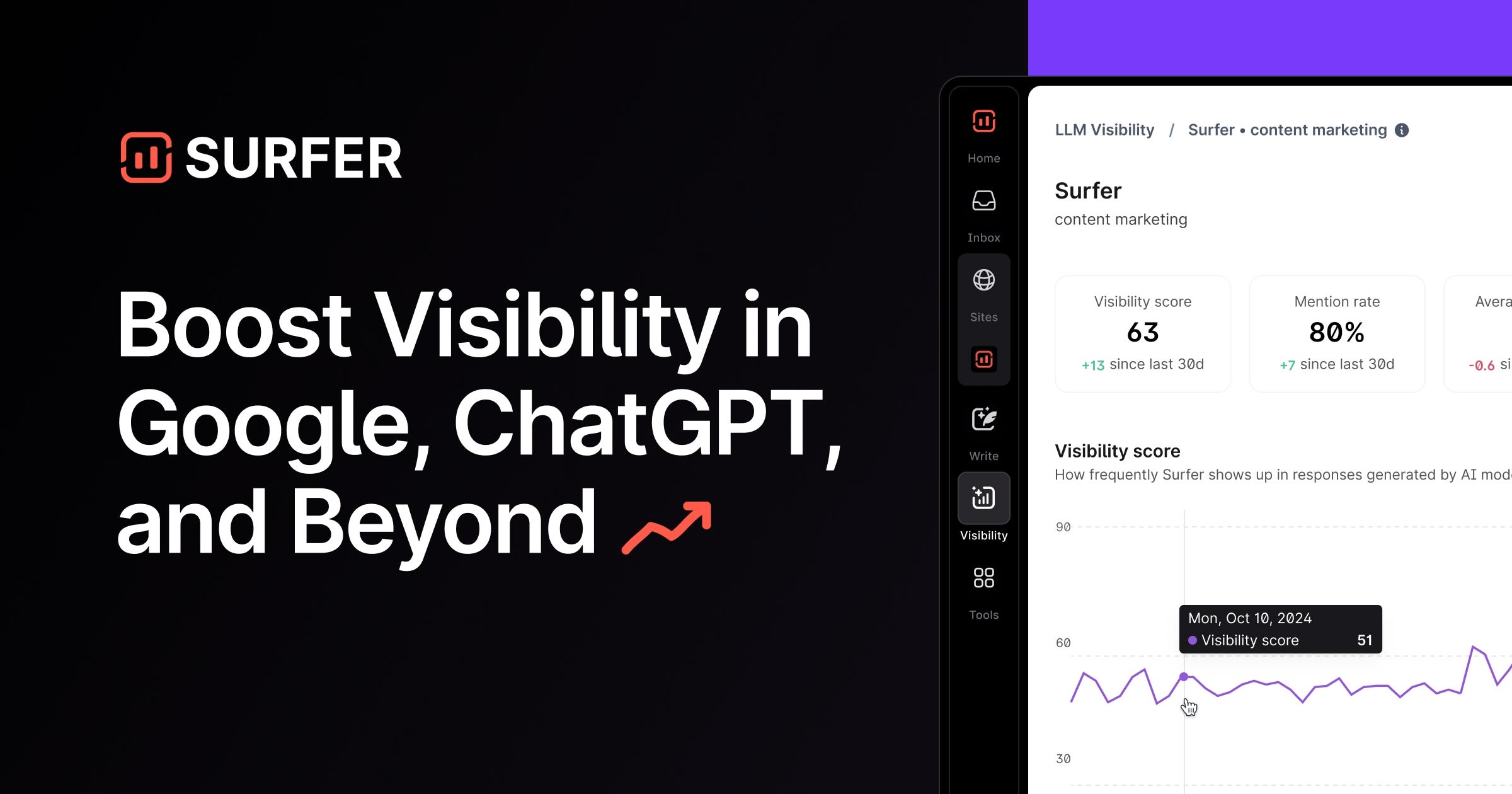 Surfer SEO optimization tool
Search engine optimization has become an AI-driven discipline. The best AI SEO tools in 2026 handle:
Keyword Intelligence
- Automated keyword research across your entire market
- Competitive gap analysis — find keywords competitors rank for but you don't
- Search intent classification — understand what users actually want
- Keyword clustering — group related terms for content planning
On-Page Optimization
- AI-powered content scoring against top-ranking competitors
- Automated meta title and description generation
- Internal linking suggestions based on content graph analysis
- Schema markup generation for rich snippets
Technical SEO
- Automated crawl analysis and error detection
- Core Web Vitals monitoring and fix suggestions
- Site architecture optimization
- International SEO configuration
The companies winning at SEO in 2026 aren't manually analyzing spreadsheets — they're using AI to identify opportunities and execute optimizations at scale.
3. Intelligent Ad Automation
 Shown intelligent ad automation platform
The third pillar is AI-driven advertising. This goes beyond basic automated bidding:
Creative Generation
- AI generates ad copy variations and tests them automatically
- Dynamic creative optimization across channels
- Audience-specific messaging at scale
Campaign Intelligence
- Cross-channel budget allocation based on real-time performance
- Predictive modeling for campaign outcomes
- Automated A/B testing with statistical significance detection
- Attribution modeling across the full funnel
Audience Discovery
- AI identifies high-value audience segments from your data
- Lookalike modeling across platforms
- Behavioral targeting based on intent signals
- Predictive churn and upsell targeting
Building Your AI Marketing Stack
 Marketing automation workflow diagram
Here's the stack we recommend for SaaS startups:
Essential Layer (Month 1)
- AI Content Engine — for blog posts, landing pages, and documentation
- SEO Platform — for keyword research, tracking, and optimization
- Analytics — GA4 + Google Search Console (both free)
Growth Layer (Months 2-3)
- Ad Automation — AI-powered Google and Meta campaign management
- Email Marketing — with AI-driven personalization and sequences
- Social Media — automated posting and engagement
Scale Layer (Months 4+)
- Conversion Optimization — AI A/B testing for landing pages
- Revenue Attribution — multi-touch attribution across all channels
- Predictive Analytics — forecast growth and identify bottlenecks
Common Mistakes to Avoid
 Common AI marketing mistakes FAQ
1. Automating Before Strategizing
AI amplifies your strategy — including bad ones. Define your ICP, positioning, and messaging before turning on the automation engines.
2. Ignoring Quality Control
AI-generated content that's published without review can damage your brand. Build editorial review into your workflow.
3. Over-Relying on a Single Channel
AI makes it easy to scale one channel quickly. But diversification protects you from algorithm changes and platform risk.
4. Neglecting the Human Touch
Your best-performing content will still be original thought leadership, customer stories, and authentic insights. Use AI for volume, but invest in quality for your pillar content.
5. Not Measuring Incrementality
AI tools will claim credit for everything. Set up proper attribution and incrementality testing to understand true impact.
The ROI of AI Marketing Automation
 AI marketing tools comparison
For a typical early-stage SaaS startup, here's what we see:
| Metric | Before AI | After AI | Improvement |
|---|---|---|---|
| Blog posts/month | 4 | 40 | 10x |
| Organic traffic (6 months) | 2,000/mo | 15,000/mo | 7.5x |
| Ad ROAS | 2.1x | 3.4x | 62% |
| Marketing team size | 3 people | 1 person | 66% cost reduction |
| Time to first ranking | 4-6 months | 2-3 months | 50% faster |
These aren't hypothetical numbers. We've seen these results across hundreds of SaaS companies using AI marketing automation.
Getting Started
 Automarck AI marketing platform
The best time to start with AI marketing automation was last year. The second best time is today.
Here's your action plan:
- Audit your current marketing — what's working, what's not, where are the gaps?
- Choose your primary channel — content/SEO for long-term, paid ads for immediate results
- Select your tools — start with one AI tool per channel, not ten
- Set up measurement — GA4, Search Console, and conversion tracking before you start
- Execute for 90 days — give AI campaigns time to learn and optimize
AI marketing automation isn't about replacing marketers. It's about giving every SaaS startup the marketing firepower that used to require a Fortune 500 budget.
Ready to automate your marketing? Learn how Automarck can help →
More Articles

A/B Testing Your Email Campaigns: Statistical Significance Guide
Master A/B testing for email marketing with this guide to statistical significance, sample sizes, and avoiding common testing mistakes.

Best Email Marketing Automation Platforms for 2026
Compare the top email marketing automation platforms in 2026. Find the perfect solution for your business with our comprehensive guide.

How to Build Customer Journeys That Convert
Learn how to design and implement customer journeys that guide prospects from awareness to purchase with marketing automation best practices.