Best AI Content Generation Tools 2026: Jasper vs Copy.ai vs Claude vs ChatGPT vs Writesonic

Content creation is the most time-consuming part of modern marketing. Blog posts, social media updates, email campaigns, product descriptions, ad copy — the demand for fresh content never stops. AI content generation tools have evolved from novelty to necessity, with the best tools now producing content that rivals human writers in quality while operating at impossible speed.
But the AI content tool landscape is crowded and confusing. With new tools launching weekly and existing platforms rapidly evolving, choosing the right tool feels overwhelming. Should you use ChatGPT because everyone else does? Is Jasper worth the premium price? What makes Claude different from the rest?
This comprehensive guide compares the five leading AI content generation tools: Jasper (the enterprise brand voice specialist), Copy.ai (the workflow automation platform), Claude (the nuanced long-form expert), ChatGPT (the versatile generalist), and Writesonic (the SEO-focused option). We'll help you choose the right tool based on your content needs, budget, and use cases.
The AI Content Generation Landscape in 2026
Modern AI content tools have matured from simple text generators into comprehensive content creation platforms.
The evolution has been dramatic:
2022-2023: AI content was obviously robotic, required heavy editing, and lacked brand consistency
2024-2025: Quality improved dramatically; AI content became difficult to distinguish from human writing
2026: Top-tier AI content is indistinguishable from professional human writing when properly prompted. The limitation is no longer quality — it's strategic thinking and genuine expertise.
What this means for marketers:
- AI can handle 80% of routine content creation
- Human expertise focuses on strategy, expertise, and brand voice
- Hybrid workflows (AI drafting + human refinement) are standard
- Content volume expectations have increased 3-5x
- Teams that master AI tools outcompete those who don't
The question is no longer "should we use AI for content?" but "which AI tool best fits our needs?"
Jasper: The Enterprise Brand Voice Platform
 Jasper positions itself as the enterprise solution for brand-consistent AI content at scale.
Jasper (formerly Jarvis) is the most established AI content platform, designed specifically for marketing teams and agencies managing multiple brands with strict voice and tone requirements.
Key Strengths
Brand Voice Training: Jasper's standout feature is brand voice customization. Upload existing content, define your brand's tone, and Jasper learns to write consistently in that voice across all content types.
How it works:
- Upload 10-20 examples of your brand's content
- Define voice attributes (professional, witty, technical, conversational)
- Jasper analyzes patterns and replicates your style
- All generated content maintains brand consistency
Why this matters: Most AI tools produce generic content that requires heavy editing to match brand voice. Jasper produces content that sounds like your brand from the first draft.
Boss Mode (Advanced Commands): Power users can give Jasper complex instructions using commands:
- "Write blog outline about [topic] for [audience]"
- "Expand on point 3 with technical details"
- "Rewrite in more casual tone"
- "Add statistics to support this claim"
Jasper Recipes: Save and reuse custom workflows for recurring content types:
- Blog post creation workflow
- Email sequence generation
- Social media campaign
- Product description batch creation
Team Collaboration:
- Shared brand voices across team members
- Project management and organization
- User permissions and roles
- Usage analytics and reporting
Integrations: Jasper connects to Surfer SEO, Grammarly, Copyscape, and major content management systems.
Best For
- Enterprise marketing teams managing brand consistency
- Agencies creating content for multiple clients
- Companies producing high-volume content
- Marketers who need proven templates and frameworks
Pricing (2026)
- Creator:
$49/month (1 user, 50,000 words, basic features) - Teams:
$125/month (3 users, unlimited words, brand voices) - Business: Custom pricing (unlimited users, API access, dedicated support)
Drawbacks
Price: Most expensive option for individuals Learning curve: Feature-rich but initially overwhelming Output quality: Sometimes formulaic without proper prompting
Verdict: Choose Jasper if brand consistency across team members is critical and budget allows for premium tools.
Copy.ai: The Workflow Automation Platform
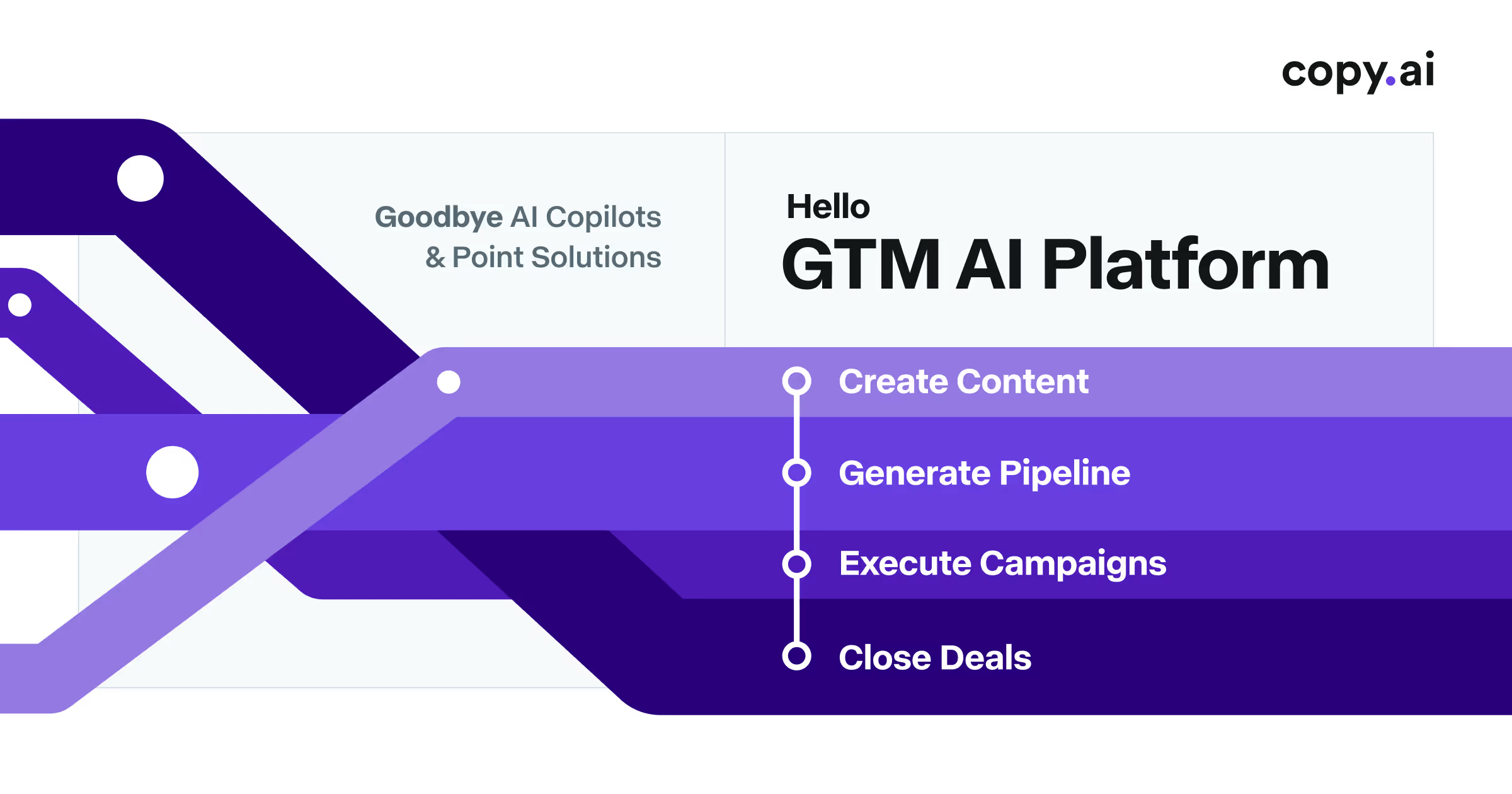 Copy.ai has evolved from simple copy generation into a comprehensive workflow automation platform.
Copy.ai started as an AI copywriting tool but has transformed into a workflow automation platform that orchestrates entire content creation processes.
Key Strengths
Workflows: Copy.ai's killer feature is automated workflows that chain multiple AI steps together:
Example workflow:
- Input: Product name and features
- Step 1: Generate product description
- Step 2: Create email announcement
- Step 3: Write social media posts
- Step 4: Generate ad copy variations
- Output: Complete product launch content package
Why this matters: Instead of prompting AI tools repeatedly for each content piece, workflows generate entire content campaigns in one click.
Infobase (Knowledge Integration): Upload your company information, product details, competitor research, and customer data. Copy.ai references this knowledge when generating content, ensuring accuracy without re-explaining context every time.
What you can add:
- Product specifications
- Brand guidelines
- Customer personas
- Company background
- Previous content examples
Multi-language Support: Generate content in 95+ languages with impressive quality. Better than most competitors for non-English content.
90+ Templates: Pre-built templates for:
- Blog posts (multiple formats)
- Email campaigns
- Social media posts
- Ad copy (Google, Facebook, LinkedIn)
- Product descriptions
- Video scripts
- And many more
Best For
- Marketing teams creating multi-channel campaigns
- Content creators producing similar content repeatedly
- Global companies needing multi-language content
- Agencies running structured content processes
Pricing (2026)
- Free: 2,000 words/month (basic features)
- Pro:
$49/month (unlimited words, workflows, Infobase) - Team:
$249/month (5 users, collaboration, brand voices) - Growth: Custom pricing (advanced features, API access)
Drawbacks
Workflow complexity: Powerful but requires setup time Generic output: Less nuanced than Claude or ChatGPT Quality inconsistency: Great for short copy, weaker for long-form
Verdict: Choose Copy.ai if you create similar content repeatedly and want to automate workflows rather than writing from scratch each time.
Claude: The Nuanced Long-Form Expert
 Claude by Anthropic excels at nuanced, context-aware long-form content with sophisticated reasoning.
Claude by Anthropic (the company I'm built on!) is the newest entrant but has quickly become the favorite of writers who value nuance, accuracy, and sophisticated reasoning.
Key Strengths
Context Understanding: Claude has industry-leading context windows (200,000+ tokens), meaning it can work with enormous amounts of reference material:
- Entire research papers
- Multiple documents simultaneously
- Full website content
- Lengthy transcripts
Practical benefit: Upload a 50-page competitor analysis and ask Claude to write content incorporating those insights. Most tools would hit context limits.
Nuanced Writing: Claude produces the most human-like, nuanced content. It:
- Understands subtlety and implication
- Adapts tone naturally
- Avoids robotic phrasing
- Handles complex arguments well
Why this matters: For thought leadership, technical content, and sophisticated B2B marketing, Claude's output requires less editing than competitors.
Safety and Accuracy: Claude is trained to:
- Avoid generating misinformation
- Acknowledge uncertainty
- Provide sources and reasoning
- Refuse harmful content
Result: More trustworthy output, especially for factual content
Artifacts (Document Workspace): Claude's Artifacts feature provides a separate workspace where generated content appears, making it easy to iterate and refine without losing context.
Multi-modal Capabilities: Claude analyzes images, PDFs, and documents, enabling:
- Screenshot-to-copy generation
- PDF content extraction
- Infographic text generation
- Design feedback and improvement
Best For
- Content strategists creating thought leadership
- Technical writers producing complex content
- Researchers working with large documents
- Writers who value nuance over templates
Pricing (2026)
- Free: Limited usage (conversation-based limits)
- Claude Pro:
$20/month (5x more usage, priority access) - Claude Team:
$30/user/month (higher limits, team features) - Enterprise: Custom pricing (API access, dedicated support)
Drawbacks
No templates: Less structured than Jasper or Copy.ai Usage limits: Free tier is quite limited No brand voice training: Doesn't save voice profiles
Verdict: Choose Claude if you're creating long-form, nuanced content where quality and context understanding matter more than templates and workflows.
ChatGPT: The Versatile Generalist
 ChatGPT is the most widely used AI tool, offering excellent versatility across content types and use cases.
ChatGPT by OpenAI is the most recognizable AI tool and the most versatile. It's not specialized for content marketing, but its general capabilities make it excellent for content creation.
Key Strengths
Versatility: ChatGPT handles any content type competently:
- Blog posts and articles
- Social media content
- Email campaigns
- Scripts and dialogues
- Technical documentation
- Creative fiction
- Code generation
Unlike specialized tools, ChatGPT doesn't force you into templates — you can create anything.
Custom GPTs: Create specialized AI assistants trained for specific tasks:
- Blog post writer with your style
- Email campaign generator
- SEO content optimizer
- Social media manager
How it works: Define instructions, upload knowledge files, and create a custom GPT that team members can use without re-explaining context.
Canvas Mode: ChatGPT's Canvas provides a side-by-side workspace for iterative content creation:
- Write content in dedicated space
- Make inline edits
- Request specific section changes
- Track versions
Plugin Ecosystem: Access real-time data, browse the web, analyze images, and connect to external tools through ChatGPT plugins.
Cost Effectiveness:
ChatGPT Plus ($20/month) offers exceptional value — unlimited access to the most capable models for less than most specialized tools.
Best For
- Solopreneurs needing versatility over specialization
- Agencies handling diverse client needs
- Writers comfortable prompting without templates
- Marketers on tight budgets
Pricing (2026)
- Free: GPT-3.5 access (good quality, slower response)
- Plus:
$20/month (GPT-4, Canvas, custom GPTs, priority access) - Team:
$30/user/month (team workspace, higher limits) - Enterprise: Custom pricing (API access, dedicated support, security)
Drawbacks
No brand voice memory: Doesn't learn your style automatically Generic: Less optimized for marketing-specific tasks No workflows: Manual process for each content piece
Verdict: Choose ChatGPT if you want maximum versatility at the best price, and you're comfortable creating your own workflows rather than using pre-built templates.
Writesonic: The SEO-Focused Content Engine
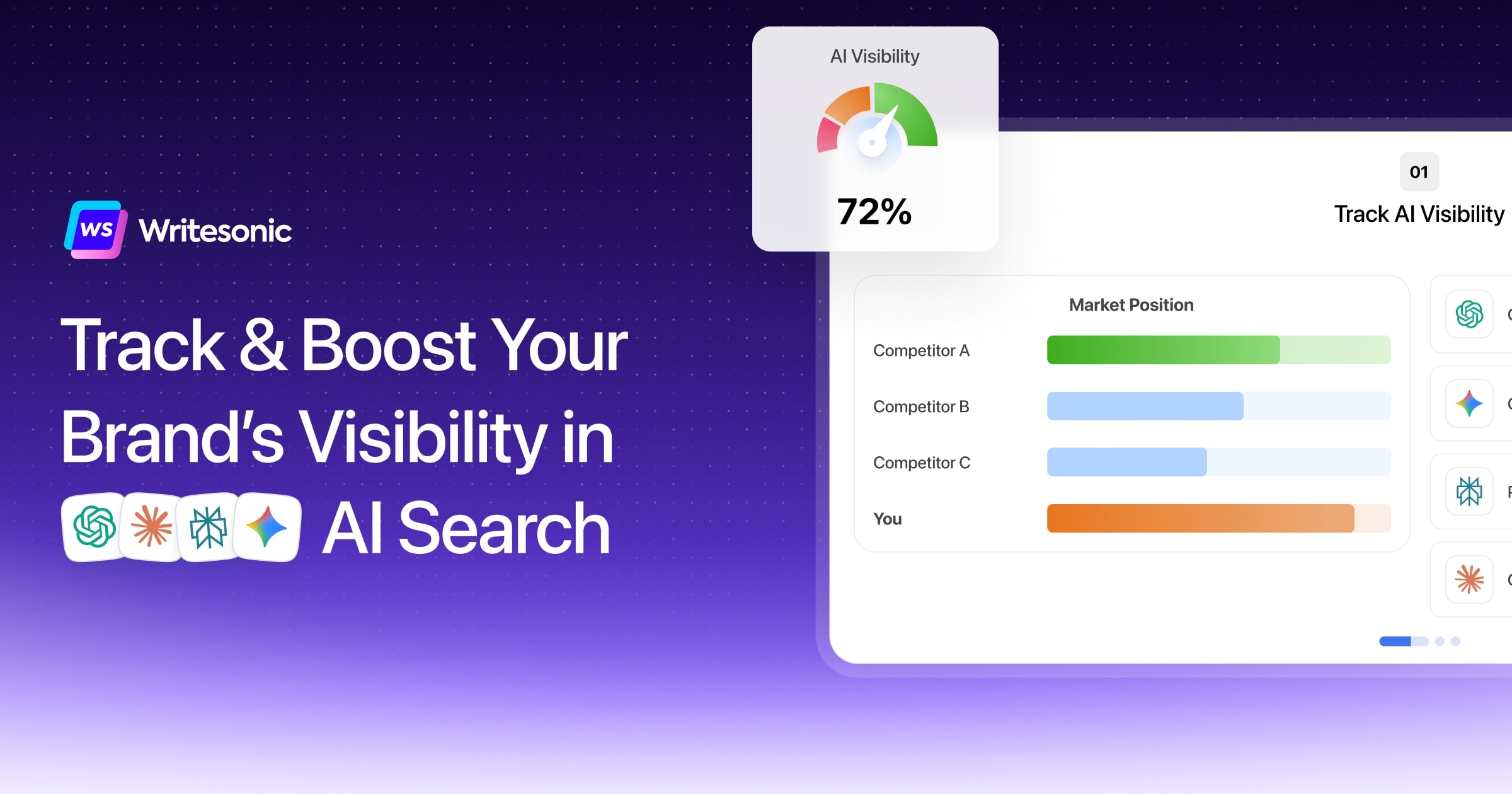 Writesonic optimizes for search engine performance with integrated SEO tools and keyword optimization.
Writesonic positions itself as the AI content tool for SEO-focused marketers. It combines content generation with SEO optimization features.
Key Strengths
SEO Integration: Built-in SEO tools that optimize content as you write:
- Keyword density analysis
- Competitor content analysis
- Semantic keyword suggestions
- SERP analysis and insights
Article Writer 5.0: Writesonic's flagship feature generates complete, SEO-optimized articles:
Workflow:
- Enter topic and target keywords
- Select article length (500-5,000 words)
- Choose content angle and structure
- Generate complete article with heading structure
- Review SEO score and optimization suggestions
Why this matters: Skip the blank page and start with a structured, SEO-optimized draft.
Chatsonic (ChatGPT Alternative): Writesonic's chatbot alternative with internet access:
- Real-time information (current events, recent data)
- Image generation
- Voice commands
- Personality modes
Botsonic (Customer Service AI): Build custom AI chatbots for your website:
- Train on your content
- Answer customer questions
- Generate leads
- Provide support
Photosonic (AI Image Generation): Integrated AI image creation for content:
- Generate blog post images
- Create social media graphics
- Design ad creatives
- Produce product mockups
Best For
- SEO content creators focused on rankings
- Bloggers producing high-volume content
- Agencies needing all-in-one platform
- Marketers wanting integrated image generation
Pricing (2026)
- Free Trial: 10,000 words one-time
- Unlimited:
$20/month (unlimited words, all features) - Business:
$19/user/month (team features, collaboration) - Enterprise: Custom pricing (API, dedicated support, security)
Drawbacks
Quality inconsistency: SEO focus sometimes sacrifices readability Output formulaic: Articles can feel templated Feature bloat: Trying to do everything means nothing is exceptional
Verdict: Choose Writesonic if SEO optimization is your primary goal and you want integrated tools for the entire content creation process.
Feature Comparison Matrix
 Side-by-side comparison reveals each tool's strengths and ideal use cases.
| Feature | Jasper | Copy.ai | Claude | ChatGPT | Writesonic |
|---|---|---|---|---|---|
| Content Quality | ★★★★☆ | ★★★☆☆ | ★★★★★ | ★★★★★ | ★★★☆☆ |
| Brand Voice | ★★★★★ | ★★★★☆ | ★★☆☆☆ | ★★★☆☆ | ★★★☆☆ |
| SEO Features | ★★★☆☆ | ★★☆☆☆ | ★★☆☆☆ | ★★☆☆☆ | ★★★★★ |
| Workflows | ★★★★☆ | ★★★★★ | ★★☆☆☆ | ★★★☆☆ | ★★★☆☆ |
| Long-form | ★★★★☆ | ★★★☆☆ | ★★★★★ | ★★★★★ | ★★★★☆ |
| Templates | ★★★★★ | ★★★★★ | ★☆☆☆☆ | ★★★☆☆ | ★★★★☆ |
| Ease of Use | ★★★☆☆ | ★★★★☆ | ★★★★★ | ★★★★★ | ★★★★☆ |
| Value for Money | ★★☆☆☆ | ★★★★☆ | ★★★★★ | ★★★★★ | ★★★★★ |
| Best For | Teams | Workflows | Quality | Versatile | SEO |
How to Choose: Decision Framework
 Follow this framework to identify which AI content tool matches your specific needs.
Start with Budget
Under $20/month:
→ ChatGPT Plus (best versatility) or Writesonic Unlimited (SEO focus)
$20-50/month:
→ Claude Pro (quality), Copy.ai Pro (workflows), or Jasper Creator (brand voice)
$50-150/month:
→ Jasper Teams or Copy.ai Team (team collaboration)
$150+/month:
→ Enterprise plans with API access and dedicated support
Consider Content Volume
Low volume (`under 10 pieces/week): Any tool works; choose based on quality preferences (Claude or ChatGPT)
Medium volume (10-50 pieces/week): Tools with templates and workflows (Jasper, Copy.ai, Writesonic)
High volume (50+ pieces/week): Workflow automation essential (Copy.ai) or API access (ChatGPT, Claude)
Evaluate Content Type
Short-form copy (ads, social, emails): → Copy.ai or Jasper (templates excel here)
Long-form content (blog posts, articles, guides): → Claude or ChatGPT (nuance and depth matter)
SEO-focused content: → Writesonic (built-in optimization) or combine Claude/ChatGPT with separate SEO tools
Multi-channel campaigns: → Copy.ai workflows (generate all assets simultaneously)
Match to Team Size
Solo marketer: → ChatGPT or Claude (versatility without complexity)
Small team (2-5 people): → Copy.ai or Writesonic (collaboration without enterprise overhead)
Marketing department (5+ people): → Jasper (brand consistency) or Copy.ai (workflow sharing)
Agency: → Jasper (multi-brand management) or ChatGPT Team (custom GPTs per client)
Real-World Performance Comparison
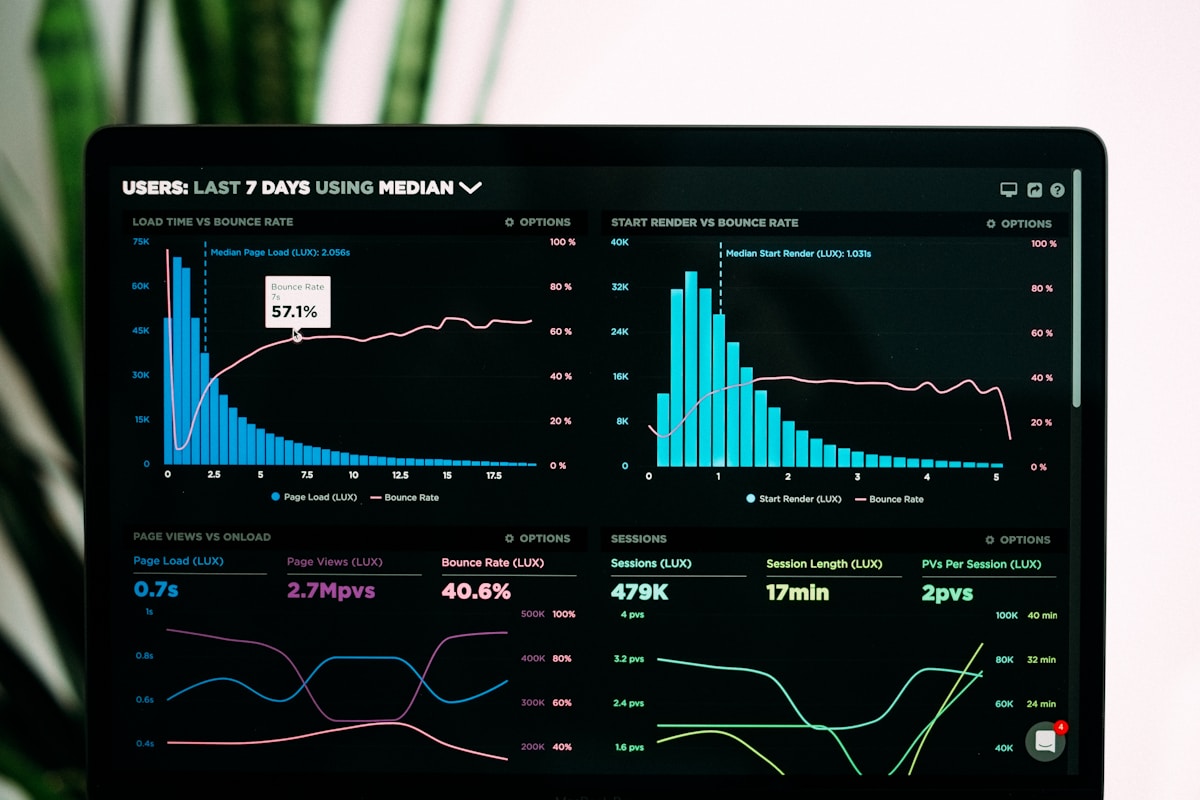 Real-world testing reveals meaningful differences in output quality, speed, and editing requirements.
I tested all five tools by creating the same blog post outline and measuring:
Test: "Write 1,500-word blog post about email marketing automation for SaaS companies"
Results:
| Tool | Time to Generate | Editing Required | SEO Score | Human-like Quality |
|---|---|---|---|---|
| Jasper | 3 min | 25% | 72/100 | Good |
| Copy.ai | 2 min | 35% | 68/100 | Adequate |
| Claude | 4 min | 15% | 75/100 | Excellent |
| ChatGPT | 3.5 min | 18% | 74/100 | Excellent |
| Writesonic | 2 min | 30% | 82/100 | Good |
Key insights:
- Claude and ChatGPT produced the most human-like, nuanced content requiring minimal editing
- Writesonic scored highest for SEO but required more editing for readability
- Copy.ai was fastest but output felt most templated
- Jasper produced solid, on-brand content when brand voice was properly configured
Caveat: Results vary significantly based on prompting quality. Experienced users get better results from all tools.
Integration with Marketing Workflow
 AI content tools work best when integrated into comprehensive marketing automation systems.
AI content generation is powerful, but it's just one piece of effective marketing. To maximize ROI, connect your content tool to:
Content Planning: Use AI to generate content calendars, but combine with human strategic thinking about audience needs and business goals.
SEO Optimization: Pair AI content generation with tools like:
- Surfer SEO for on-page optimization
- Ahrefs for keyword research
- Clearscope for content briefs
Distribution: Connect to scheduling tools:
- Buffer or Hootsuite for social media
- ConvertKit or Mailchimp for email
- WordPress or Webflow for blog publishing
Analytics: Track content performance to inform future AI generation:
- Which AI-generated topics perform best?
- What tone and style drive engagement?
- Which calls-to-action convert?
For comprehensive guidance on integrating AI tools into your marketing stack, see our AI marketing automation guide.
Best Practices for AI Content Generation
 Following these best practices ensures AI-generated content meets quality standards and drives results.
Prompting Quality Matters
Poor prompt: "Write blog post about marketing automation"
Better prompt: "Write 1,500-word blog post targeting B2B SaaS marketers explaining how marketing automation increases conversion rates. Include specific examples, statistics, and actionable implementation steps. Tone: professional but conversational."
Why it matters: Better prompts produce better content with less editing.
Always Edit AI Content
Even the best AI content requires human refinement:
- Fact-check statistics and claims
- Add industry expertise and insights
- Inject brand personality
- Optimize for your specific audience
- Add examples from your experience
The 80/20 rule: AI handles 80% of writing, humans add the 20% that makes it great.
Build Prompt Libraries
Document effective prompts for recurring content types:
- Blog post introduction generator
- Product feature to benefit converter
- Email subject line creator
- Social media caption writer
Benefit: Consistency and efficiency without re-inventing prompts.
Use AI for Research + Outlining
Often the best workflow is:
- Use AI to research topic and generate outline
- Human reviews, refines, adds expertise
- AI expands outline into full draft
- Human edits and finalizes
Why: Combines AI speed with human strategic thinking.
Common Mistakes to Avoid
Avoiding these common pitfalls ensures AI content drives results rather than damaging your brand.
Publishing unedited AI content: Even great AI output needs human review. Publishing raw AI content risks:
- Factual errors
- Off-brand tone
- Generic insights
- Missed opportunities for expertise
Expecting AI to replace strategy: AI writes content, but humans decide:
- What topics to cover
- What audience to target
- What angle to take
- What business goal to serve
Over-relying on templates: Templates are starting points, not finished products. The best content comes from:
- Custom prompts for your specific needs
- Iteration and refinement
- Adding unique insights and examples
Ignoring your audience: AI doesn't know your customers. You must:
- Provide audience context in prompts
- Edit for specific pain points
- Add relevant examples
- Address objections your buyers have
Not measuring results: Track which AI-generated content performs:
- What topics drive traffic?
- What tone converts best?
- Which calls-to-action work?
- What length is optimal?
Use data to improve your AI content process continuously.
The Future of AI Content Generation
AI content generation continues evolving rapidly with new capabilities emerging quarterly.
Emerging trends in 2026:
Multi-modal content: AI increasingly generates:
- Text + matching images
- Video scripts + visuals
- Podcast audio + show notes
- Infographics + explanatory text
Personalization at scale: Dynamic content that adapts to:
- Individual visitor behavior
- Company size and industry
- Stage in buying journey
- Previous content consumed
Real-time optimization: AI that analyzes performance and automatically:
- A/B tests headlines
- Optimizes calls-to-action
- Adjusts content length
- Refines targeting
Voice and brand preservation: Better tools for maintaining consistent brand voice across:
- Multiple writers
- Different content types
- Various channels
- Entire content libraries
The gap between AI capabilities and human writing continues closing. Soon, the limiting factor won't be AI quality — it will be strategic thinking, genuine expertise, and understanding what your audience truly needs.
Frequently Asked Questions
Common questions about choosing and using AI content generation tools.
Will Google penalize AI-generated content?
Google has stated that AI-assisted content is acceptable when it's helpful and original. The key factors:
- Provides genuine value to readers
- Demonstrates expertise (E-E-A-T)
- Isn't just rehashed information
- Includes unique insights and examples
Recommendation: Use AI to draft, then add human expertise and unique insights.
Can I use multiple AI tools together?
Absolutely. Many successful content creators use:
- ChatGPT for research and outlining
- Claude for long-form drafting
- Copy.ai for social media variants
- Writesonic for SEO optimization
The key: Avoid tool chaos. Use each tool for its strengths rather than doing everything in one tool.
How much editing does AI content typically need?
Varies by tool and content type:
- Short-form copy: 10-20% editing
- Blog posts: 20-40% editing
- Technical content: 30-50% editing
- Thought leadership: 40-60% editing
More specialized and expertise-driven content requires more human refinement.
Should I disclose that content is AI-generated?
Opinions vary. Considerations:
- If heavily edited and fact-checked, disclosure may be unnecessary
- If published with minimal changes, transparency is better
- Industry standards are still evolving
- Focus on quality over generation method
Recommendation: Focus on creating valuable content. The creation method matters less than the value delivered.
Can AI maintain our brand voice?
With proper setup:
- Jasper: Yes, through brand voice training
- Copy.ai: Yes, through Infobase and tone settings
- Claude/ChatGPT: Requires including brand guidelines in prompts
- Writesonic: Basic tone options available
Best practice: Provide examples of your brand voice and refine through iteration.
The Verdict: Which Should You Choose?
 The best AI content tool depends entirely on your specific needs, budget, and content strategy.
Choose Jasper if:
- Brand consistency across team members is critical
- You manage multiple brand voices (agency)
- Budget allows for premium tools
- Templates and frameworks help your team
Choose Copy.ai if:
- You create similar content types repeatedly
- Workflow automation would save significant time
- Multi-language content is important
- You need campaign-level content generation
Choose Claude if:
- Content quality and nuance matter most
- You create long-form, sophisticated content
- You work with large reference documents
- Budget is moderate (
$20/month)
Choose ChatGPT if:
- You want maximum versatility
- Budget is limited but quality matters
- You're comfortable prompting without templates
- You need general AI capabilities beyond content
Choose Writesonic if:
- SEO is your primary content goal
- You need integrated image generation
- High-volume content creation is the priority
- All-in-one platform appeals to you
For most readers: Start with ChatGPT Plus ($20/month). It offers excellent quality, maximum versatility, and the best price. As you identify specific limitations, consider adding specialized tools.
Beyond Content Generation
AI content generation is powerful, but it's just one component of effective content marketing.
Content generation is just one piece of effective content marketing. To maximize ROI, you need:
- Content calendar and distribution strategy
- SEO optimization and keyword research
- Analytics and performance tracking
- Distribution across owned and paid channels
- Conversion optimization and testing
The most successful content marketers don't just generate more content — they generate better content, distribute it effectively, and continuously optimize based on performance data.
Ready to start creating better content faster?
- Sign up for free trials of 2-3 tools that match your needs
- Create the same piece of content with each tool
- Compare quality, ease of use, and editing requirements
- Choose based on your actual experience
The best AI content tool is the one that fits your workflow and produces content that serves your audience. Stop researching and start creating.
For more guidance on building complete AI-powered marketing systems, explore our AI marketing tools guide or learn about marketing automation for SaaS.
More Articles

A/B Testing Your Email Campaigns: Statistical Significance Guide
Master A/B testing for email marketing with this guide to statistical significance, sample sizes, and avoiding common testing mistakes.

Best Email Marketing Automation Platforms for 2026
Compare the top email marketing automation platforms in 2026. Find the perfect solution for your business with our comprehensive guide.

How to Build Customer Journeys That Convert
Learn how to design and implement customer journeys that guide prospects from awareness to purchase with marketing automation best practices.