Restaurant SMS Marketing: Tools, Costs and the Rules
 M. Reach, Automarck.com · 2,150 words
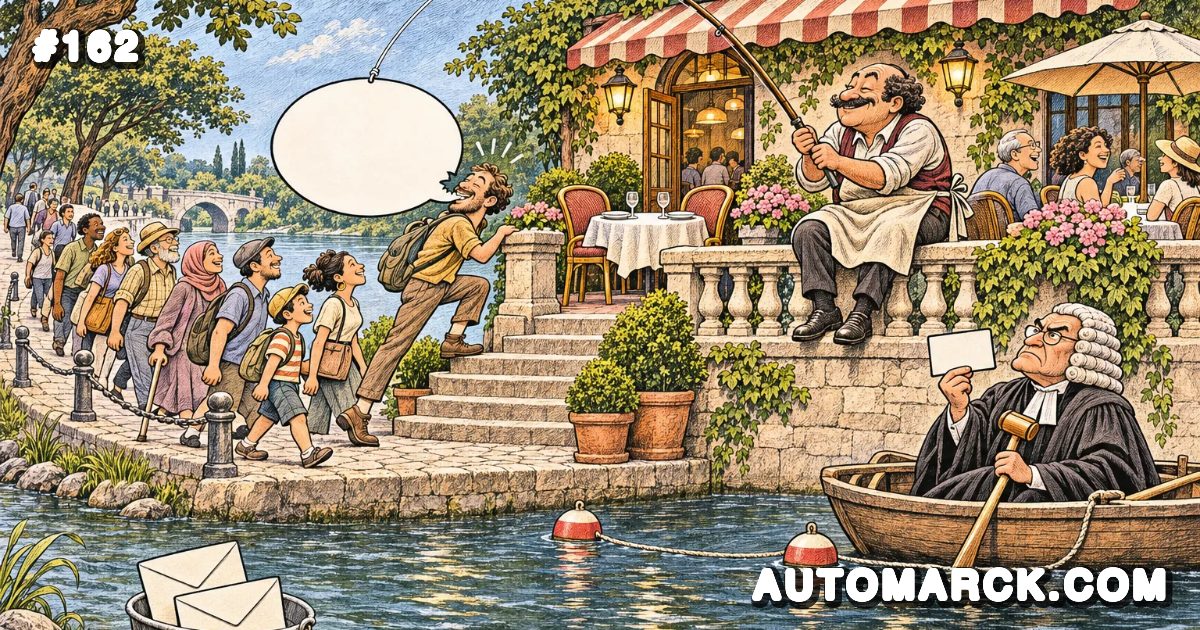
A restaurant’s text gets read; its email gets archived. Birdcall, a fried-chicken chain, sees 16.1% of texted guests click, against 1.5% on email. That gap is why restaurant SMS marketing earns its few cents a message, and why the rules around it deserve more attention than the coupon.
TL;DR
- Best for most: the texting in your POS, such as Square Plus, $49/m with 500 texts.
- Cheapest standalone: SlickText, $29/m for 500 texts, unlimited contacts.
- The rule: text only guests who signed up in writing, 8 a.m. to 9 p.m. their time.
1. Does restaurant SMS marketing still pay?
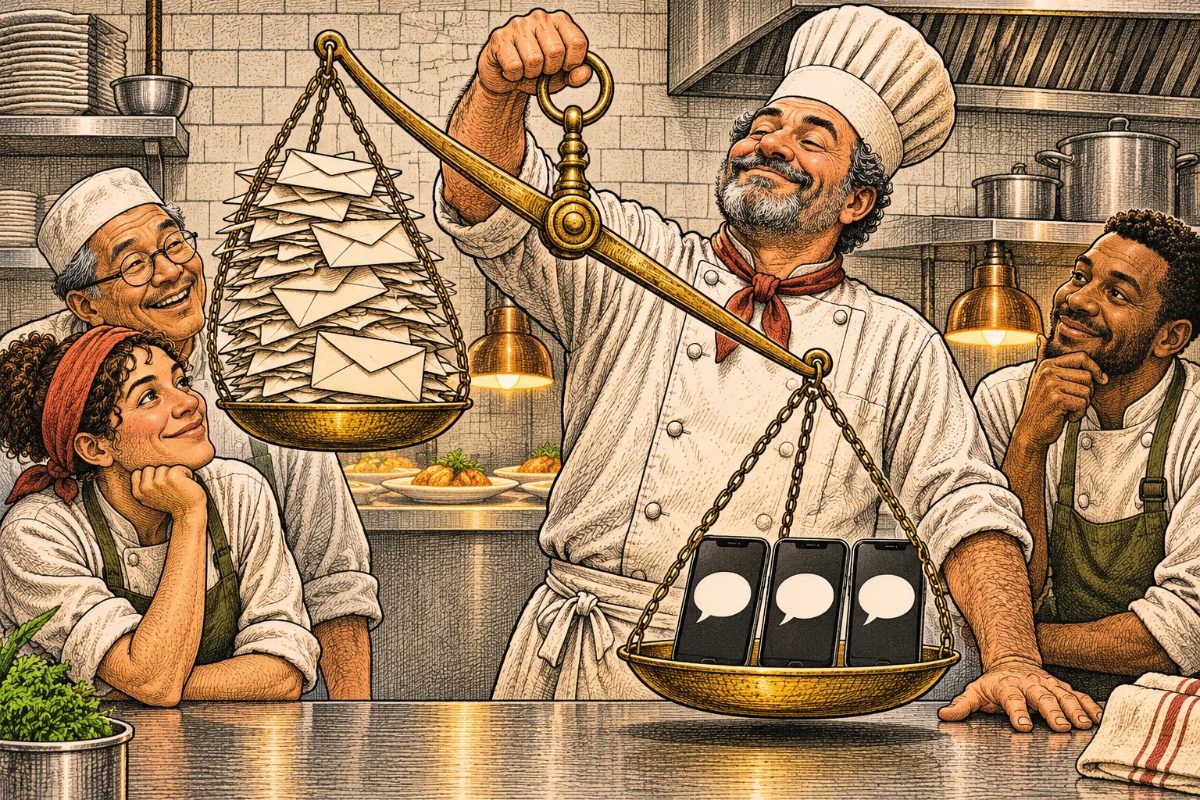
Yes, for a list of guests who asked to hear from you. Texts are clicked several times more often than email, and the money comes mostly from automated texts, not one-off blasts.
- Birdcall text click rate:
- 16.1%
- Birdcall email click rate:
- 1.5%
- Average text campaign click rate:
- 5.6%
- Average automated text click rate:
- 9.65%
- Food and beverage revenue per text campaign:
- $0.34 per recipient
- Food and beverage revenue per automated text:
- $1.83 per recipient
“SMS has really been able to pinpoint and target in a timely manner,” says Kayla Lindberg, Birdcall’s director of marketing and communications. By July 2025, texts made up half of the chain’s digital engagement, at a 1.1% unsubscribe rate.
Two numbers matter more than the click rate. Automated texts, such as a welcome or a birthday offer, earn about five times what a one-off campaign does.
And restaurant subscribers leave faster than most: food and beverage sends see a median 0.42% opt-out, against 0.24% across all industries, per SlickText’s 2026 benchmarks.
The strongest case against: email costs almost nothing per send, and a text costs 1.5 to 6 cents. True, but a 1.5% email click rate means the free channel is mostly ignored.
Keep email for the long story, as our email segmentation guide sets out, and use texts for the nudge with a deadline.
2. What does restaurant SMS marketing cost?
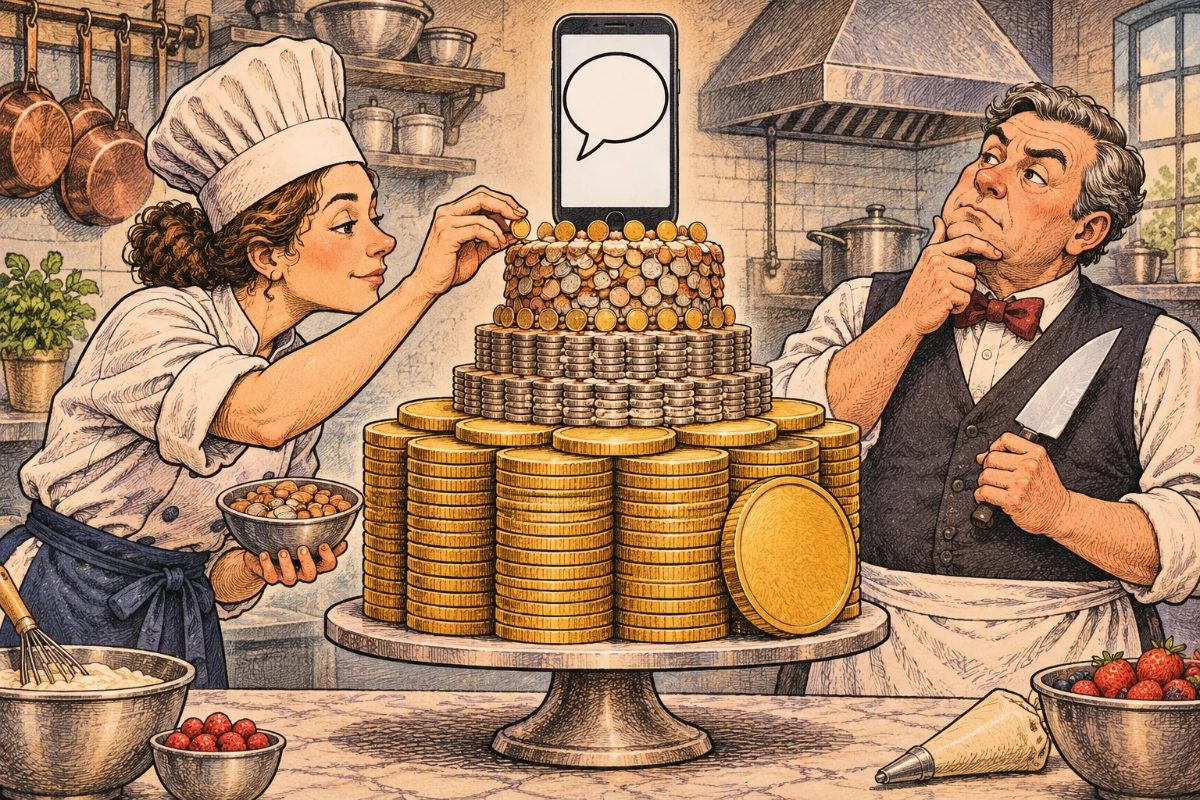
One restaurant should expect $30 to $200 a month, depending on list size and how often it texts. The bill comes in five parts:
Plan prices for the six tools restaurants use most, in U.S. dollars per location:
| Tool | $USD/m | Texts Incl. | Extra Text |
|---|---|---|---|
 Toast |
Est. $75–$150 | 500 | Quoted |
 Square |
$49–$149 | 500–2,500 | 1.5–3¢ |
 SevenRooms |
Est. $500–$900 | Add-on | Quoted |
 Owner.com |
$249–$499 | Incl. | Incl. |
 SlickText |
$29–$939 | 500–50,000 | Buy credits |
 SimpleTexting |
$39–$909 | 500–50,000 | 2–5.5¢ |
Prices as of November 2026. Toast and SevenRooms do not publish their texting prices, so those rows are estimates from their plan contents and comparable tools. SimpleTexting’s price includes its $10 local number.
A worked example: 1,000 subscribers, texted four times a month, is 4,000 texts. Fees are the $10 number plus carrier fees at SimpleTexting’s published average of 0.25¢ a text.
| Tool | $USD/m | How |
|---|---|---|
| Square Plus |
$154 | $49 + 3,500 × 3¢ |
| SimpleTexting |
$169 | $109 + 1,000 × 4¢ + $20 fees |
| Square Premium |
$171.50 | $149 + 1,500 × 1.5¢ |
| SlickText |
$189 | $169 + $20 fees |
| Owner.com |
$249+ | Texts incl., plus 5% per online order |
Square looks cheapest, but only for a restaurant already on Square: the $49 also buys the POS plan. On another POS, SimpleTexting wins at 4,000 texts and SlickText wins at 5,000, where its $169 plan covers every text and SimpleTexting needs $80 of extra credits.
3. Which restaurant SMS marketing tools are worth paying for?

Start with the texting built into the system that already holds your guests’ numbers: your POS, your reservations or your online ordering. A standalone texting app is cheaper per text but starts with an empty list. Our small-business SMS comparison covers the general-purpose apps in more depth.
Toast: best on a Toast POS

Toast’s texting sits in its Marketing Essentials suite, with email marketing, loyalty and gift cards. Toast quotes the price.
- Texts: 500 a month per location, up to 46,000 more on a monthly add-on.
- Length: 160 characters, or 67 per segment with an emoji; each segment counts as a text.
- Sign-ups: online ordering, loyalty check-in, text receipts and a JOIN keyword.
- Limits: U.S. only, and it needs a live website on a domain you own.
The pick for Toast restaurants: guests who order online are asked to join without anyone lifting a finger. Read the SMS FAQ before your first campaign.
Square: best value on a Square POS

Square puts texting inside its monthly plans, alongside unlimited email campaigns and a loyalty program:
- Plus: $49/m, 500 texts, then 3¢ each, 30-day free trial.
- Premium: $149/m, 2,500 texts, then 1.5¢ each.
- Reports: messages sent, clicks and sales from each campaign.
The cheapest serious option for a Square restaurant. Premium costs less than Plus once you send more than about 5,200 texts a month.
SevenRooms: best for reservation-led dining rooms

SevenRooms sells Starter, Growth and Premium plans by quote only, and text marketing is an add-on.
- Targeting: segments built from guest profiles and reservation history.
- Messages: unlimited characters, emojis, images and GIFs.
- Results: opens, clicks and unsubscribes per text, with revenue and reservations.
- Track record: $220,000 in sales and 3,635 guests from text campaigns in four months, a client result on its text marketing page.
“In just a few clicks, it’s done,” says Henry Kaminski, chief marketing officer of Fabio Viviani Hospitality. The price only makes sense if you also use SevenRooms for bookings.
Owner.com: best all-in-one for takeout

Owner.com bundles texts and emails with a website, online ordering, an app and loyalty, on two month-to-month plans:
- Flexible: $249/m plus 5% of each online order.
- Flat Rate: $499/m, no per-order restaurant fee.
- Both: guests pay a 5% order support fee.
- Automations: a new-customer offer and reminder, abandoned carts and win-backs, all pre-written.
Good value if you want the ordering site too; expensive if you only want texts.
SlickText: best standalone on a budget

SlickText works with any POS. Its plans run from $29/m for 500 credits to $939 for 50,000:
- Contacts: unlimited on every plan.
- Credits: no overage; sending pauses until you buy more.
- Fees: carrier fees at cost, $10/m per number.
- Trial: 14 days, no card.
- Tools: text-to-join keywords, website pop-ups, birthday texts and coupon codes.
Sterling Restaurants sent a one-day buy-one-get-one text to about 316,000 subscribers of its 63 Moe’s Southwest Grill locations; sales that day were 45% above the following Wednesday.
SimpleTexting: best for uneven sending

SimpleTexting is the other strong standalone. Its plans:
- Plans: $29/m for 500 credits to $899 for 50,000, plus $10/m per number.
- Extra credits: 5.5¢ falling to 2¢ on bigger plans; unused credits roll over.
- Setup: $4 carrier registration and $4 number activation, once.
- Included: unlimited contacts, keywords, auto-replies, drip texts and three users.
Choose it over SlickText if your sending varies month to month: rollover credits stop a quiet January wasting what you paid for.
4. What are the legal rules for restaurant texts?

A marketing text needs the guest’s written consent first, can only arrive between 8 a.m. and 9 p.m. their time, and must stop when they reply STOP. The rules come from the Telephone Consumer Protection Act and the FCC’s rules under it:
- Written consent: a signed agreement naming the number; an electronic signature, such as a ticked box, counts. It must say they agree to marketing texts and that agreeing isn’t a condition of buying.
- Hours: 8 a.m. to 9 p.m., the guest’s local time.
- Opt-out: honored within 10 business days. The FCC’s September 30, 2026 order lets a sender make STOP-style replies the only opt-out, if every text says so.
- Registration: every platform registers your restaurant with the carriers before the first send.
- Penalty: $500 per unwanted text, up to $1,500 if deliberate, under 47 U.S.C. § 227.
Florida adds its own claim: $500 a text, tripled if wilful, once a guest has replied STOP and the texts keep coming 15 days later.
A “your table is ready” text is not marketing, so the number a guest gives the waitlist covers it. Sending that guest a Tuesday offer is marketing and needs the written sign-up. Toast’s FAQ also warns that a burst of unsubscribes can get texting suspended.
5. Can bars and restaurants text about drinks?

Only behind an age check, and not at all on Toast. Phone carriers treat alcohol as restricted content, alongside sex, hate, firearms and tobacco.
- Toast: its SMS terms forbid messages related to alcohol.
- SimpleTexting: drinks content is allowed once guests enter a date of birth at sign-up, per its content rules.
- Twilio: it rejects campaigns with alcohol content and no proper age check.
The practical fix: sell the table, not the bottle. “Trivia night, tables for six” passes every filter; “two-for-one margaritas” needs a 21-plus list.
6. How do restaurants build an SMS list fast?

Ask at the moments guests already hand over a phone number: ordering, booking, joining the waitlist and paying. Each sign-up says what they’ll get and how often.
- On the table card:
- Text JOIN to get 2–4 offers a month from [your restaurant]. Msg and data rates may apply. Reply HELP for help, STOP to opt out.
Moving from another texting provider? Toast lets you upload existing subscribers, up to 5,000 per file, only with a record of each guest’s consent.
7. What should a restaurant text, and how often?

Two to four texts a month, each with one offer and a deadline, sent just before lunch or dinner. The campaigns that earn their keep, best first:
- Welcome: an offer, then a reminder a day later.
- Slow-night offer: fill a quiet Tuesday, not a full Saturday.
- Birthday: a treat, sent automatically.
- Win-back: guests gone 45 days or more.
- Events: a menu launch, game night or trivia.
Timing matters as much as the offer: Owner.com’s guide points to 11 a.m. to 1 p.m. and 4 to 6 p.m. Keep each text under 160 characters, and skip the emoji: one emoji cuts a segment to 67 characters and can double the cost.
Automate the first four and send the fifth by hand. Our lead nurturing sequences guide shows how to space a welcome series across email and text.
8. The verdict

| Your Restaurant | Pick | Why |
|---|---|---|
| On a Toast POS | Toast |
Online orders fill the list |
| On a Square POS | Square Plus |
500 texts in the $49 plan |
| Reservation-led dining | SevenRooms |
Texts built on guest profiles |
| Wants site, ordering, texts | Owner.com |
Automations already written |
| Any POS, tight budget | SlickText |
$29/m, unlimited contacts |
| Any POS, uneven sending | SimpleTexting |
Credits roll over |
Use the texting your POS already includes before paying for another app, and spend the effort on consent instead. A clean list of 500 guests who asked to hear from you is the asset; 5,000 numbers lifted from old receipts are $2.5 million of legal exposure at $500 a text.
Sources
- Mailchimp: Birdcall SMS case study
- Klaviyo: SMS benchmarks
- SlickText: restaurants and 2026 benchmarks
- SlickText pricing
- SimpleTexting pricing
- SimpleTexting features
- SimpleTexting: prohibited content
- Twilio: US SMS pricing and carrier fees
- Telnyx: 10DLC fees and charges
- Square pricing
- Square text message marketing
- Toast pricing
- Toast: get started with SMS marketing
- Toast: SMS marketing FAQ
- Toast: SMS terms and conditions
- SevenRooms pricing
- SevenRooms text marketing
- Owner.com pricing
- Owner.com email and SMS marketing
- Owner.com: SMS marketing for restaurants
- 47 CFR § 64.1200 (FCC telemarketing rules)
- 47 U.S.C. § 227 (TCPA)
- Florida Statutes § 501.059
- DLA Piper: the FCC’s 2026 TCPA opt-out order
- Twilio: alcohol content without age verification