WriteSonic Review 2026: AI Search Visibility & GEO Tracking Tool

Generative Engine Optimization (GEO) has fundamentally changed how people discover brands and products. In 2026, if your brand isn't being mentioned by ChatGPT, Perplexity, Claude, or Gemini, you're invisible to a growing segment of searchers.
The problem? Most brands don't know how to track their AI search visibility — or even what tools exist to do so. That's where WriteSonic comes in. After months of hands-on testing, here's my complete review of WriteSonic as an AI search visibility tool.
What Is AI Search Visibility?
AI search engines are increasingly how people discover products and services.
Traditional SEO focuses on Google rankings. AI search visibility is something different: it measures how often AI assistants like ChatGPT, Perplexity, Claude, and Gemini mention your brand when users ask relevant questions.
Example scenario: User asks Perplexity: "What are the best CRM tools for startups?" If your CRM isn't in that response, you're losing visibility to competitors who are.
Why this matters in 2026:
- AI search usage is growing rapidly
- Users trust AI recommendations
- No ads or organic rankings — just mentions or nothing
- Early movers in GEO gain compound advantages
WriteSonic Overview
 WriteSonic has evolved from an AI writing tool into a comprehensive GEO platform.
WriteSonic started as an AI content generation tool but has evolved into one of the most comprehensive AI visibility tracking platforms available. The GEO features include:
- AI Visibility Trends: Track mentions over time
- Competitor Analysis: See how rivals compare
- Citation Tracking: Find which sources AI engines cite
- Prompt Analysis: Discover what queries mention (or miss) your brand
- Content Strategy: AI-powered content gap identification
My testing period: November 2024 - January 2026
Plan tested: Pro Plan ($249/month)
Core Features Tested
1. Visibility Trends Over Time
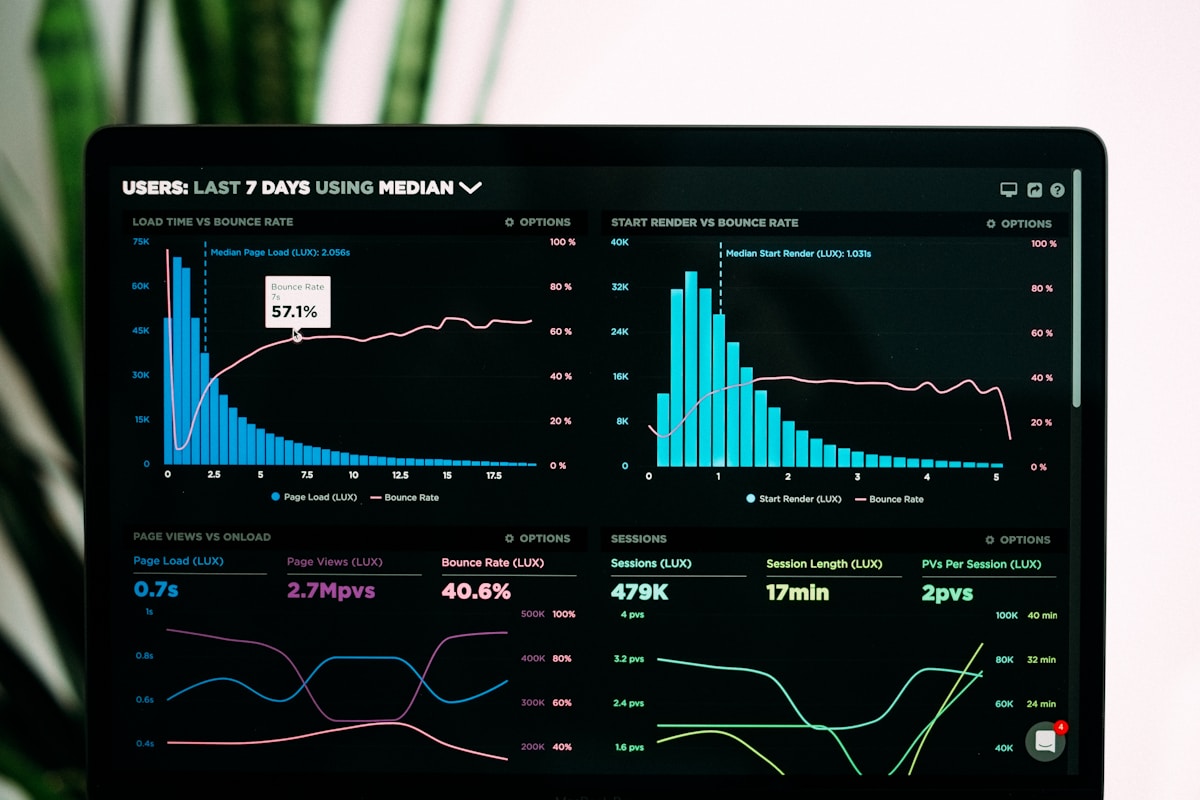 WriteSonic's visibility dashboard shows how your brand performs across AI search engines.
The primary feature is the AI Visibility Dashboard. After setting up your domain and defining your niches (crucial — don't skip this), you get a real-time view of how often AI engines mention your brand.
What you see:
- Overall visibility score (0-100)
- Trend line over time
- Breakdown by AI engine (ChatGPT, Perplexity, etc.)
- Comparison to baseline
Setup tip: Be precise with niche selection. If you're a "procurement analytics software," don't select broad categories like "business software." Incorrect niches lead to misleading visibility metrics.
Verdict: The visibility tracking is solid and actionable. You can immediately see if your GEO efforts are working.
2. Competitor Analysis
 Track how your AI visibility stacks up against direct competitors.
WriteSonic automatically identifies competitors in your defined niches and shows their visibility scores alongside yours.
What you get:
- Competitor visibility scores
- Side-by-side comparisons
- Visibility trends for each competitor
- Identification of competitors you may have missed
Why this matters: GEO is relative. If your visibility is 40 but competitors are at 70, you're behind. If competitors are at 20, you're winning. Context is everything.
Verdict: Competitor tracking is genuinely useful for benchmarking and identifying threats.
3. Citation Analysis
 Discover which sources AI engines cite most frequently in your niche.
This is where WriteSonic becomes strategically valuable. The citation tracker shows which websites AI engines cite most often when answering questions in your niche.
How to use this:
- Find domains with high citation counts
- Analyze their cited pages
- Create similar or better content
- Aim to get your content cited instead
Example insight: If a competitor's "Complete Guide to [Topic]" gets cited frequently, you know exactly what content format AI engines prefer in your space.
Verdict: Citation analysis is one of the most actionable features. It directly informs content strategy.
4. Prompt Discovery
 See exactly which prompts trigger AI mentions of your brand — and which don't.
WriteSonic tracks prompts in two categories:
Prompts mentioning your brand: See which questions lead AI to recommend you. This validates what's working.
Missing prompts: Critically, you can see prompts where your brand should appear but doesn't. These are direct content opportunities.
Example: Prompt: "Best tools for automated SEO in 2026" Your brand: Not mentioned Action: Create content targeting this exact topic to improve visibility
Verdict: Missing prompt discovery is extremely valuable for content planning.
5. Content Strategy Tool
 WriteSonic's AI assistant suggests content ideas to improve your visibility.
Beyond tracking, WriteSonic includes an AI-powered content strategist that:
- Identifies content gaps based on visibility data
- Suggests topics aligned with high-value prompts
- Integrates with Ahrefs for keyword volume data
- Allows approval/rejection of ideas
Bonus feature: Direct publishing to your website via Cloudflare integration. You can go from content idea to published post without leaving the platform.
Verdict: The strategy tool adds genuine value beyond pure analytics.
What's Missing
 WriteSonic has limitations you should understand before committing.
Brand Sentiment Analysis
WriteSonic shows whether you're mentioned, but the sentiment analysis (are mentions positive or negative?) is only available on the Advanced plan at $499/month.
This is a significant limitation. Being mentioned negatively is arguably worse than not being mentioned at all. You need sentiment data to fully understand your AI reputation.
Traditional SEO Tools
WriteSonic focuses purely on GEO. It doesn't include:
- Keyword rank tracking (Google)
- Backlink analysis
- Site audits
- Traditional SEO metrics
If you're doing both SEO and GEO (and you should be), you'll need additional tools like Ahrefs or SEMrush.
Price-to-Value at Higher Tiers
At $249/month (Pro), WriteSonic is reasonably priced for what it offers. But the $499/month Advanced tier — needed for sentiment analysis — puts you in direct competition with established SEO platforms like Ahrefs.
WriteSonic Pricing Breakdown
 WriteSonic's pricing tiers determine which features you can access.
| Plan | Price | Brands | Key Features |
|---|---|---|---|
| Starter | $49/mo | 1 | Basic visibility tracking |
| Pro | $249/mo | 3 | Full GEO suite, no sentiment |
| Advanced | $499/mo | 10 | Sentiment analysis included |
| Enterprise | Custom | Unlimited | Full access, dedicated support |
My recommendation: The Pro plan ($249/mo) offers the best value for most businesses. You get comprehensive visibility tracking, competitor analysis, and content strategy tools. Skip to Advanced only if sentiment analysis is critical for your use case.
Who Should Use WriteSonic?
 WriteSonic is best suited for specific use cases and business types.
Ideal users:
- B2B SaaS companies tracking brand visibility
- Marketing agencies managing client GEO
- Enterprise brands monitoring AI reputation
- Content teams optimizing for AI discovery
Not ideal for:
- Small businesses with limited marketing budgets
- Pure SEO focus (no AI visibility concerns)
- Brands not competing in AI-searchable categories
WriteSonic vs Alternatives
 WriteSonic competes with several GEO-focused tools in the market.
The GEO tool market is still emerging, but here are key alternatives:
| Tool | Strength | Weakness |
|---|---|---|
| WriteSonic | Comprehensive GEO + content strategy | No traditional SEO |
| Otterly.ai | Focused GEO tracking | Fewer features |
| Profound | Enterprise GEO | Expensive |
| Automarck | AI marketing automation | Coming soon |
For comprehensive marketing automation (including SEO, GEO, and content), Automarck is building an all-in-one platform specifically for SaaS companies.
Frequently Asked Questions
 Common questions about WriteSonic and GEO tracking tools.
Is GEO really that important?
Yes, and it's growing rapidly. As AI assistants become the default for search queries (especially for product recommendations), brands not mentioned in AI responses lose discovery opportunities. Early investment in GEO pays compound returns.
Can I track multiple brands?
The Pro plan includes 3 brands, Advanced includes 10. For agencies managing multiple clients, this is a key consideration in plan selection.
How accurate is the visibility tracking?
Visibility metrics are estimates based on sampling prompts and responses. They're directionally accurate but not perfect. Use them for trend analysis and comparison, not absolute numbers.
Does WriteSonic help with traditional SEO?
No. WriteSonic focuses purely on AI visibility (GEO). You'll need separate tools for keyword tracking, backlink analysis, and traditional SEO metrics. This is a limitation for teams wanting consolidated tooling.
How quickly can I improve AI visibility?
GEO improvements are slower than PPC but faster than traditional SEO. Creating high-quality content that AI engines cite can show results in 4-8 weeks. Consistent effort compounds over time.
Verdict: Should You Use WriteSonic?
 WriteSonic delivers solid value for brands serious about AI visibility.
Bottom line: WriteSonic is currently one of the best AI visibility tracking tools available. If you're serious about understanding and improving your brand's presence in AI search results, it's worth the investment.
Strengths:
- Comprehensive visibility tracking
- Actionable competitor analysis
- Citation analysis for content strategy
- Prompt discovery for content gaps
- Integrated content strategy tools
Weaknesses:
- No traditional SEO features
- Sentiment analysis requires expensive tier
- Relatively new market category
Rating: 4/5 — A strong tool for its focused purpose, with room to grow.
Recommendation:
- Start with the Pro plan (
$249/mo) - Use alongside traditional SEO tools
- Focus on citation analysis for quick wins
- Monitor the GEO market — it's evolving fast
For SaaS companies wanting a more unified approach to AI-powered marketing, check out Automarck — we're building the all-in-one platform that combines SEO, GEO, and content automation in a single solution.
More Articles

A/B Testing Your Email Campaigns: Statistical Significance Guide
Master A/B testing for email marketing with this guide to statistical significance, sample sizes, and avoiding common testing mistakes.

Best Email Marketing Automation Platforms for 2026
Compare the top email marketing automation platforms in 2026. Find the perfect solution for your business with our comprehensive guide.

How to Build Customer Journeys That Convert
Learn how to design and implement customer journeys that guide prospects from awareness to purchase with marketing automation best practices.